

Partner
Paul P. Marchese
A trusted counselor to North Shore families for more than three decades, Paul guides clients through estate planning, trusts, and probate with the patience and precision that complex family wealth demands.
Read full bio
Great Neck Wills addresses the estate planning needs of families holding substantial real estate and financial assets across Nassau County's Gold Coast. We draft documents that coordinate with non-probate transfers, name guardians, and prepare executors for Nassau Surrogate's Court procedures.

Most Great Neck clients own property valued above seven figures and maintain accounts at multiple institutions. That complexity demands more than template language. We map every asset, co-op shares, brokerage accounts, business interests, and draft clauses that prevent ambiguity when the executor files in Nassau County. The goal is a document designed for efficient submission to Nassau Surrogate's Court.
Template wills treat the two-witness rule as boilerplate. It isn't. We've seen instances where a beneficiary signing as a witness has voided their specific bequest under New York law, even if the rest of the will remains valid. Prior results do not guarantee a similar outcome. The formality exists because New York courts strictly enforce statutory execution requirements, and even clear intent cannot save a defectively executed will.

You're holding property worth over a million dollars, and the document that controls its transfer after you're gone has to meet formal execution requirements or it may face challenges. We draft wills that include a testator signature, two disinterested witnesses, and attestation language. While we also attach a self-proving affidavit to streamline the process, omitting the affidavit does not invalidate the will or cause its rejection, though it may require locating witnesses during probate.
A will without a residuary clause may leave unnamed assets to flow through intestacy, which means the state may determine who inherits them. We aim to address that gap. The document must also address what happens if a beneficiary predeceases you, per stirpes or per capita distribution changes who inherits, and clients rarely understand the difference until we walk through it.

Protection starts with execution formalities designed to be honored by Nassau Surrogate's Court. We supervise the signing ceremony, verify witness independence, and attach a notarized self-proving affidavit so your executor doesn't have to track down witnesses years later. The will is then typically stored in a fireproof safe or may be deposited with the court, and you receive a copy for your records.
Clients sometimes ask if they can use a family member as witness to save time. They can, unless that person is also a beneficiary, in which case New York law may impact the bequest to that witness. We've seen instances where a witness mistake has triggered corrective proceedings and impacted an heir's inheritance. Prior results do not guarantee a similar outcome. The statute is generally applied strictly.

Great Neck families often own vacation homes in Florida, investment property in other states, or business interests across multiple jurisdictions. A will can express your intent regarding all real property wherever located, but real property is governed by the laws of the state where it is physically situated, meaning out-of-state real estate must typically go through ancillary probate in that jurisdiction to transfer title. We draft with that in mind, structuring bequests to minimize multi-state filings and coordinating with any existing trusts to avoid conflicting instructions.
You're holding a Florida deed and a New York will. The will can address the property, but a Florida Circuit Court may still require ancillary probate before title transfers. Clients call six months after death, surprised that the condo is frozen. We draft knowing that multi-state assets often mean multi-state filings, and we structure bequests to help make those proceedings as brief as the statutes allow.
Two partners. One standard of care. Every plan is drafted, reviewed, and signed under their direct guidance.
A trusted counselor to North Shore families for more than three decades, Paul guides clients through estate planning, trusts, and probate with the patience and precision that complex family wealth demands.
Read full bio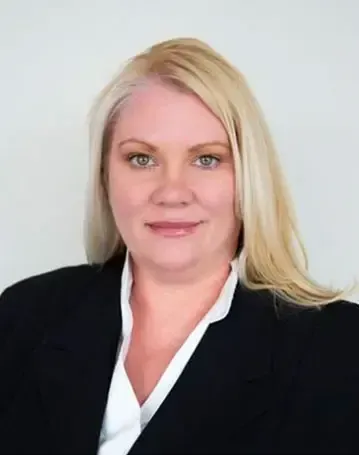
Robin brings decades of experience and a client-centered approach to elder law, Medicaid planning, and guardianship matters, advocating for families during the most consequential transitions of their lives.
Read full bioMarchese & Maynard, LLP drafts wills by mapping actual asset structures and beneficiary relationships rather than filling template forms. Effectiveness can depend on identifying complex ownership scenarios, particularly real estate held in multiple states or business interests with succession restrictions.
Marchese & Maynard, LLP starts by inventorying what you actually own, not what a standard form assumes you might. Real estate in multiple jurisdictions often requires ancillary probate provisions that generic documents may miss. Business interests with buy-sell agreements may need coordination between your will and existing contracts, otherwise beneficiaries might inherit shares they legally cannot keep. If your estate includes property outside New York or closely held business stakes, reach out to discuss how those assets should be structured in your will.
Will contests occur when beneficiaries or excluded parties challenge validity based on undue influence, lack of capacity, or improper execution. Many disputes settle before trial if the document was properly witnessed and the testator's intent is clearly documented.
A will contest typically arises when a family member believes they were wrongfully excluded, suspects coercion, or questions whether the testator understood what they were signing. New York law requires challengers to have standing (meaning their financial interest is adversely affected by the probate of the will) and demonstrate grounds like mental incapacity at signing, fraud, undue influence, or failure to follow statutory formalities. The most common scenario involves adult children who received unequal distributions or were disinherited entirely. If the will was executed with two disinterested witnesses, includes a self-proving affidavit, and was drafted when the testator demonstrably understood their assets and family situation, most challenges fail during early motion practice.
One pattern that can surface is contests filed not because the will is defective, but because someone feels slighted and hopes for a settlement. Prior results do not guarantee a similar outcome. If your estate plan involves unequal treatment or intentional exclusions, documenting your reasoning in a separate letter (not the will itself) and discussing your intentions with your attorney can deter frivolous challenges and preserve your wishes.
An executor administers the estate, pays debts, and distributes assets according to the will's terms. Choose someone organized and willing to serve, as the role involves court filings, creditor negotiations, and asset transfers over several months.
Selecting an executor is one of the most consequential decisions when drafting a will. This person will handle everything from locating assets and filing court documents to settling outstanding bills and transferring property to beneficiaries. The role requires a combination of reliability, organizational skill, and willingness to navigate probate procedures. Many people default to naming a spouse or eldest child without considering whether that individual has the temperament or availability to manage what can become a months-long administrative process.
Core Responsibilities an Executor Must Be Prepared to Handle:
One pattern that surfaces repeatedly is naming someone geographically distant or juggling demanding work schedules, which slows every step when signatures, notarizations, or in-person court appearances become necessary. If your preferred choice lives out of state or travels frequently for work, discuss the commitment openly before finalizing the designation.
A will drafted in Great Neck can remain valid if you relocate, provided it met New York execution requirements at signing. Some states may impose different spousal protections or property classifications that could override specific bequests, so review can become necessary after any permanent move.
Your Great Neck will can remain enforceable across state lines as long as it was properly witnessed and notarized under New York law when signed. The complication surfaces when your new state treats marital property or creditor claims differently than New York does. Community property states, for instance, may entitle a spouse to half of certain assets regardless of what your will says. If you've relocated permanently or acquired property in another jurisdiction, have an attorney in that state review the document to confirm it still accomplishes what you intended without triggering unintended tax consequences or probate complications.
Will amendments (codicils) or complete rewrites address changes like new children, divorce, or asset shifts. The right approach depends on how extensive the changes are and whether the original document structure still serves your current intentions.
After running through dozens of these updates, the honest answer is that most people wait too long to revisit their wills after major life events. A new marriage, the birth of grandchildren, or a significant change in asset composition can all render portions of an existing will outdated or unintentionally inequitable. Marchese & Maynard, LLP evaluates whether a formal codicil makes sense for minor adjustments, or whether drafting a fresh document is the cleaner path. Codicils work well for single changes like naming a new executor or adding a specific bequest, but they create confusion when stacked on top of each other.
Marchese & Maynard, LLP walks you through what's changed since your original will was signed and maps those shifts to the legal updates required. If your family structure or financial picture looks different than it did five years ago, bring your current will to a review session and we'll show you exactly what needs revision.
Marchese & Maynard, LLP represents Great Neck residents across the full estate planning practice. Continue exploring the services below, or return to the Great Neck estate planning attorneys homepage for the complete firm overview.
Revocable and irrevocable trusts for high-net-worth families
See Trusts DetailsPOAs built for banks, title companies, and complex estates
See Power of Attorney DetailsEntity structures and Medicaid planning for high-net-worth families
See Asset Protection DetailsTitle clearance and closings for executors and administrators
See Estate & Real Estate DetailsOur firm serves residents throughout Great Neck and the surrounding Nassau County communities. We regularly work with clients in Manhasset, Port Washington, and Roslyn, scheduling appointments that fit your calendar. Because estate planning requires in-person execution ceremonies, we coordinate witness availability and notary services at your convenience, whether at our office or a neutral location.
We accommodate evening and weekend execution ceremonies for clients across Nassau County's North Shore. Clients weighing a will alongside broader wealth-transfer questions often review our asset protection guidance or, for executors already managing an inherited home, our estate real estate work in Great Neck.
Service area coverage
Free Consultation
Tell us a little about your situation, and we will reach out within one business day.
Your initial meeting is structured to complete a full asset inventory and goals discovery in a single, unhurried session.
A partner will review your note and follow up personally.