

Partner
Paul P. Marchese
A trusted counselor to North Shore families for more than three decades, Paul guides clients through estate planning, trusts, and probate with the patience and precision that complex family wealth demands.
Read full bio
Marchese & Maynard, LLP drafts legally valid wills for Manhasset families, addressing guardian nominations, executor appointment, and asset distribution under New York's two-witness execution requirements. Our estate planning attorneys coordinate wills with powers of attorney, trusts, and healthcare directives to ensure comprehensive protection aligned with Nassau County Surrogate's Court procedures.

Wills that pass Nassau County Surrogate's Court scrutiny follow EPTL 3-2.1 formalities, coordinate beneficiaries across probate and non-probate assets, and include self-proving affidavits to avoid months-long witness location delays.
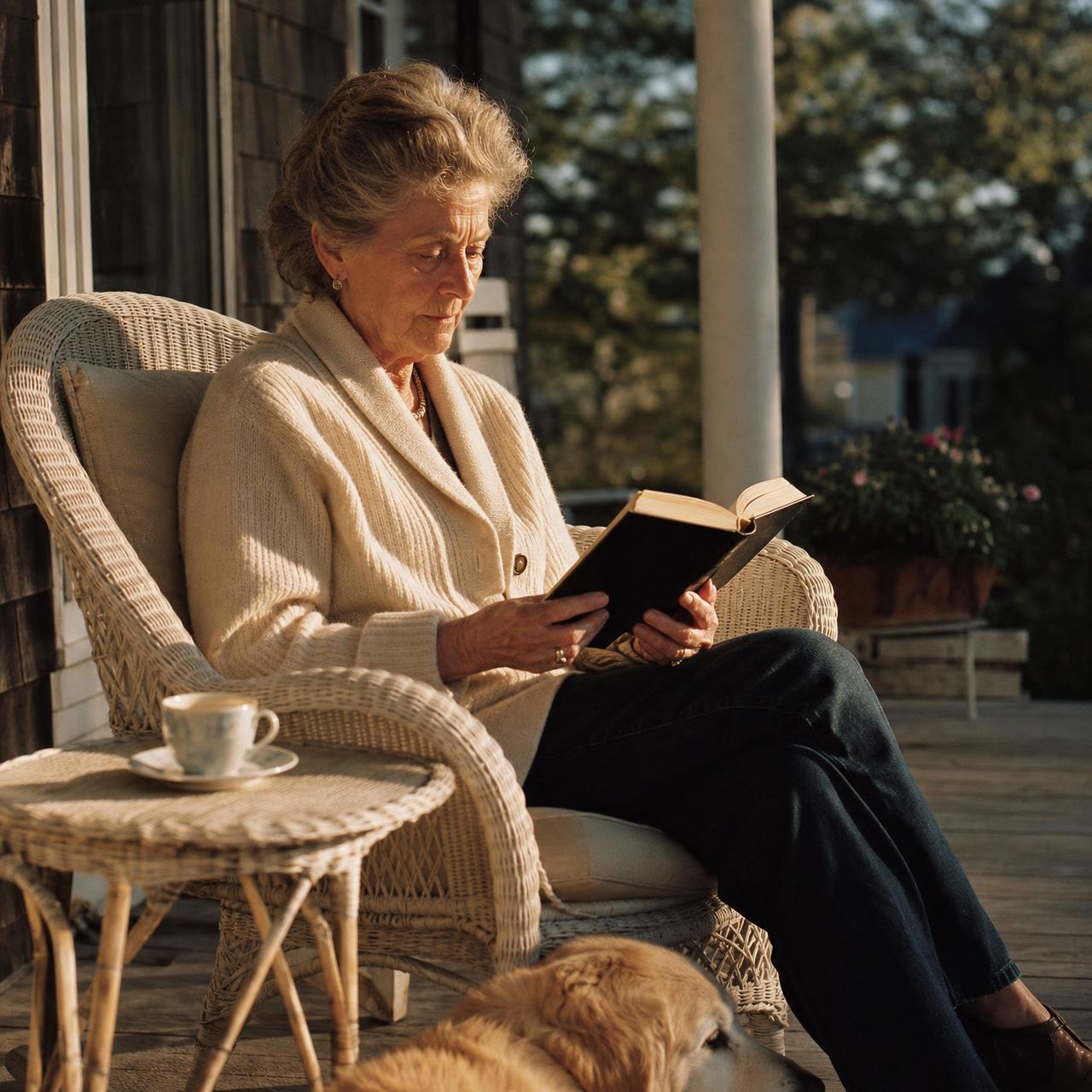
If you have ever watched a family argue over who gets what after someone dies, you already understand what happens when a will is unclear or missing entirely. The estate freezes, the court steps in, and relatives who once got along stop speaking because nobody can prove what the deceased actually wanted.
Before committing to this, one thing is worth saying plainly: a will that meets EPTL 3-2.1 formalities but contradicts your IRA beneficiary form creates the exact dispute it was meant to prevent. We have watched estates stall for months because the will named one person and the retirement account named another, and nobody caught the conflict until probate.

Before committing to a will structure, one thing is worth saying plainly: the document that works for a household with two biological children and one property fails quietly when stepchildren, prior marriages, or special needs beneficiaries enter the picture. We have watched families discover this gap during probate, when the residuary clause they assumed covered everyone instead triggered a contest because the testamentary trust language never addressed the disabled adult child's Medicaid eligibility or the stepchild's inheritance expectation.
The callback rate on estate plans splits cleanly at one variable: whether the attorney asked about prior marriages, non-biological dependents, and government benefit recipients during intake or skipped those questions to keep the engagement simple. Everything else, pour-over will coordination, trust integration, guardian nominations, is secondary to that single diagnostic conversation, because probate avoidance strategies and self-proving affidavits under SCPA 1406 mean nothing if the will itself distributes assets in a way that disqualifies a special needs beneficiary or funds a testamentary trust the surviving spouse cannot access for liquidity.

Divorce, remarriage, new children, and special needs diagnoses all require formal will amendments. The document does not update itself, and Nassau County Surrogate's Court enforces what was last signed, not what the family assumes was intended.
Two partners. One standard of care. Every plan is drafted, reviewed, and signed under their direct guidance.
A trusted counselor to North Shore families for more than three decades, Paul guides clients through estate planning, trusts, and probate with the patience and precision that complex family wealth demands.
Read full bio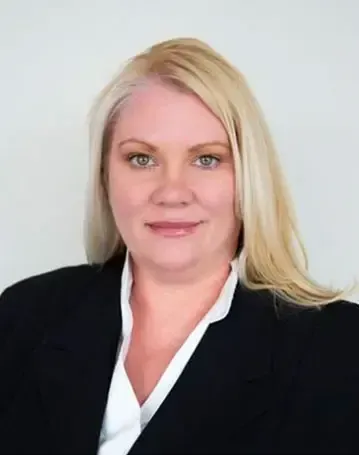
Robin brings decades of experience and a client-centered approach to elder law, Medicaid planning, and guardianship matters, advocating for families during the most consequential transitions of their lives.
Read full bioSelf-drafted wills often fail execution formalities under New York law, creating probate delays or outright rejection. Marchese & Maynard, LLP reviews DIY documents to identify signature, witness, and notarization gaps before filing.
Marchese & Maynard, LLP sees the same pattern: someone downloads a template, fills it out, signs it at the kitchen table with a neighbor watching, then assumes the document works. It does not. New York requires two witnesses who watch you sign and then sign themselves, in your presence, with no breaks in the sequence. A notary alone is not enough. The firm reviews self-drafted wills before probate to catch these gaps early, preventing surrogate court rejection after death when correction is impossible.
A will remains valid if the named executor predeceases the testator, but the surrogate's court appoints an administrator unless a successor executor was named. Naming alternates in the original document prevents court intervention and delays.
The will itself does not fail. The document continues to direct asset distribution exactly as written. What changes is who carries out those instructions. If no backup executor was named, the surrogate's court in New York steps in and appoints an administrator to handle probate. That administrator follows the will's terms but operates under court supervision, which adds time and expense. The court typically selects a family member willing to serve, but preferences stated informally carry no weight. If multiple relatives petition for the role, the court decides based on statutory priority, not the decedent's unwritten wishes.
Naming a successor executor in the original will avoids this entirely. The backup steps into the role without court appointment, without bonding requirements in most cases, and without the friction that comes when relatives assume they should control the process. That single clause prevents months of delay.
A will can be challenged on capacity grounds if the signer did not understand their assets, beneficiaries, or the document's effect at signing. Courts examine medical records, witness testimony, and the attorney's contemporaneous notes to resolve disputes.
Capacity challenges surface most often when a will was executed during illness, after a diagnosis, or in the months before death. New York law requires that the testator understood the nature and extent of their property, who their natural beneficiaries were, and what signing the document would accomplish. That standard sounds straightforward until a disappointed heir hires counsel and points to prescription records, hospital admissions, or a dementia diagnosis dated six weeks before execution.
Challenges filed in Nassau County Surrogate's Court require the objectant to prove incapacity by a preponderance of the evidence. That burden is not trivial. Attorneys who document capacity at execution, obtain physician letters when health concerns exist, and use disinterested witnesses reduce the surface area for dispute. The will that survives is the one built with that challenge already in mind.
Property omitted from a will passes through intestacy statutes, distributing assets by default family hierarchy rather than the decedent's intent. The outcome depends on whether the omission was intentional or accidental.
Anything left out passes through New York intestacy law. Spouse and children receive fixed statutory shares, regardless of what the decedent wanted. Partial intestacy creates two parallel processes: probate for named assets, administration for everything else. The executor handles one track. An administrator handles the other. Both cost money. Both take time. Intentional omissions require explicit disinheritance language, not silence.
Beneficiary incapacity does not void a bequest, but distribution requires court-appointed guardianship or conservatorship proceedings. Marchese & Maynard, LLP structures testamentary trusts with successor trustees to bypass this delay when cognitive decline is foreseeable.
A beneficiary who develops dementia or suffers a stroke after the will is signed still inherits. The executor cannot hand assets directly to someone who lacks capacity to manage them. Surrogate's Court requires proof of guardianship before releasing the inheritance, which adds six to twelve months and legal fees the estate pays. Marchese & Maynard, LLP drafts conditional trust language for clients with aging parents or siblings showing early cognitive symptoms. The will creates a trust automatically if the beneficiary cannot sign a receipt at distribution time. A named trustee manages the funds without a separate court proceeding. This structure costs nothing extra to include and eliminates the guardianship filing later.
Families in Manhasset often assume a power of attorney solves this problem. It does not. Powers of attorney terminate at death, exactly when the inheritance arrives. Marchese & Maynard, LLP builds the safety mechanism into the will itself, so incapacity triggers protection rather than delay.
Marchese & Maynard, LLP serves families and individuals throughout Manhasset and surrounding Nassau County communities, providing will drafting and estate planning services directly at clients' homes or preferred locations. From Manhasset to Great Neck, Port Washington, Roslyn, and Garden City, the firm reaches Long Island residents via Northern Boulevard, the Long Island Expressway, and local Nassau County corridors. Execution ceremonies are scheduled at clients' residences, ensuring witnesses and notarization meet EPTL 3-2.1 formalities without requiring travel to an office.
Service Area Coverage
Execution meetings typically run 45 to 60 minutes, with the attorney supervising witness signatures and notarization to ensure compliance with New York formalities.
Service area coverage
Free Consultation
Tell us a little about your situation, and we will reach out within one business day.
Your initial meeting is structured to complete a full asset inventory and goals discovery in a single, unhurried session.
A partner will review your note and follow up personally.