

Partner
Paul P. Marchese
A trusted counselor to North Shore families for more than three decades, Paul guides clients through estate planning, trusts, and probate with the patience and precision that complex family wealth demands.
Read full bio
Marchese & Maynard, LLP structures asset protection plans for Great Neck professionals, business owners, and families facing creditor exposure. Our attorneys design entity architectures, spendthrift provisions, and strategies informed by New York State Bar membership and decades of Nassau County practice.

Most clients arrive after a lawsuit threat surfaces or a business partner dispute escalates. By then, transfer timing becomes the central problem. We map existing exposure, identify potentially exempt assets, and build forward-looking structures that season before claims materialize.
The best strategy is the one that doesn't look like a strategy when a judge reviews the timeline. Transfers made six months before litigation carry a neon sign; structures built more than four years earlier during routine planning fall outside the standard statutory look-back period under New York's Uniform Voidable Transactions Act. The difference is whether you started when the weather was calm.

You open the mail and see a summons naming you personally, not just your business. That moment clarifies why entity separation and titling matter. We segregate high-risk assets into separate LLCs, confirm beneficiary designations on retirement accounts, and layer umbrella coverage calibrated to net worth.
Great Neck's median home value is substantial, and New York State's homestead exemption protects a statutory amount per owner in Nassau County. The gap can leave substantial equity exposed unless you hold title as tenants by the entirety or fund an irrevocable structure before trouble starts.

Clients often ask whether forming an LLC alone solves the problem. It doesn't. New York courts limit a judgment creditor's remedy against a debtor's membership interest in multi-member LLCs to a charging order, though single-member LLCs face significantly higher risks of a creditor reaching the underlying assets. We draft operating agreements with transfer restrictions, add independent managers, and coordinate UCC-1 filings where collateral pledges apply.
Single-member LLCs sound protective until a creditor seeks to bypass the charging order remedy entirely. The physician's equity evaporated because the structure had one member and no business purpose a judge found credible. Prior results do not guarantee a similar outcome.

Great Neck's aging population and high cost of nursing care drive demand for Medicaid Asset Protection Trusts. We draft irrevocable instruments designed to remove the residence and non-qualified accounts from the Medicaid estate, potentially preserving assets for heirs while helping the grantor qualify for institutional care benefits after the applicable look-back period.
A common mistake is waiting until a health crisis to fund the trust. By then, the look-back clock hasn't run, and the family may face a spend-down or penalty period for institutional care. Pre-need planning requires predicting care needs years in advance, which many clients find uncomfortable to discuss.
Two partners. One standard of care. Every plan is drafted, reviewed, and signed under their direct guidance.
A trusted counselor to North Shore families for more than three decades, Paul guides clients through estate planning, trusts, and probate with the patience and precision that complex family wealth demands.
Read full bio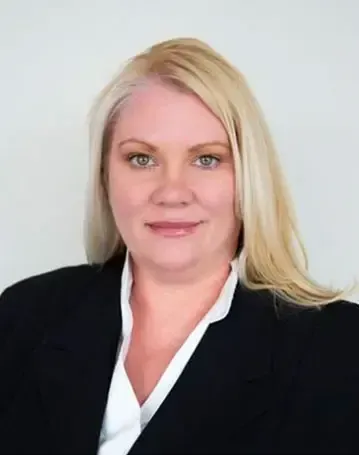
Robin brings decades of experience and a client-centered approach to elder law, Medicaid planning, and guardianship matters, advocating for families during the most consequential transitions of their lives.
Read full bioMost owners layer entities without updating beneficiary designations or retitling assets, leaving vulnerable property exposed despite the structure. Protection depends on proper transfer documentation and ongoing compliance with formalities.
The honest answer is that most people build the structure but never move the assets into it. A limited partnership or LLC sitting empty offers no protection when a judgment creditor attaches property still titled in your personal name. We've seen professionals lose rental properties because the deed was never transferred into the holding entity after formation.
Combining real estate and operating businesses requires separate legal entities to isolate liability exposure, with ownership layered through holding structures. The approach depends on existing debt covenants, transfer tax implications, and whether rental income crosses state lines.
One thing that catches business owners off guard is the way real estate and active operations create opposite liability vectors. Marchese & Maynard, LLP typically separates these assets into distinct limited liability companies so a lawsuit against the business cannot reach the building, and a slip-and-fall at the property cannot touch operating cash flow.
Real estate equity and business operating accounts are typically the most exposed assets without formal structures, since they're easily identified through public records and discovery processes. Protection difficulty can increase when ownership is held in personal names rather than entities.
Personal real estate and liquid business accounts face the highest vulnerability when held without formal legal structures, primarily because they're both easily discovered and straightforward to attach through judgment enforcement.
Assets That Demand Structural Protection Before Trouble Starts:
Marchese & Maynard, LLP serves business owners, medical professionals, real estate investors, and high-net-worth individuals facing creditor exposure. Protection effectiveness depends on asset complexity and whether structures are established before claims arise.
Marchese & Maynard, LLP works with professionals who have accumulated wealth that creditors could reach through malpractice suits, contract disputes, or business liabilities. Medical practitioners, real estate investors holding multiple properties, and family business owners tend to benefit most from formal structures like LLCs and trusts.
Offshore trusts face heightened IRS scrutiny due to reporting complexity and historical abuse patterns, while domestic structures like LLCs and FLPs may receive less attention when formed correctly. Compliance burden and perceived intent drive the difference.
The honest answer is that offshore structures trigger automatic reporting thresholds that domestic alternatives simply don't. Any foreign trust with a U.S. grantor or beneficiary typically requires Form 3520 and Form 3520-A filings, and missing these deadlines invites substantial penalties. Domestic options like limited partnerships or irrevocable trusts formed in states with strong creditor protection laws achieve similar shielding without crossing international reporting lines.
Marchese & Maynard, LLP represents Great Neck residents across the full estate planning practice. Continue exploring the services below, or return to the Great Neck estate planning attorneys homepage for the complete firm overview.
High-value will drafting for Nassau's Gold Coast
See Wills DetailsRevocable and irrevocable trusts for high-net-worth families
See Trusts DetailsPOAs built for banks, title companies, and complex estates
See Power of Attorney DetailsTitle clearance and closings for executors and administrators
See Estate & Real Estate DetailsMarchese & Maynard, LLP serves professionals and business owners throughout Great Neck and the surrounding Nassau County communities. Our team regularly works with clients in Manhasset, Port Washington, and Roslyn. We offer flexible scheduling, including evening consultations, to accommodate working families and business owners managing complex asset portfolios.
We accommodate scheduling across the North Shore, with consultations available at your office or our firm location.
Service area coverage
Free Consultation
Tell us a little about your situation, and we will reach out within one business day.
Your initial meeting is structured to complete a full asset inventory and goals discovery in a single, unhurried session.
A partner will review your note and follow up personally.