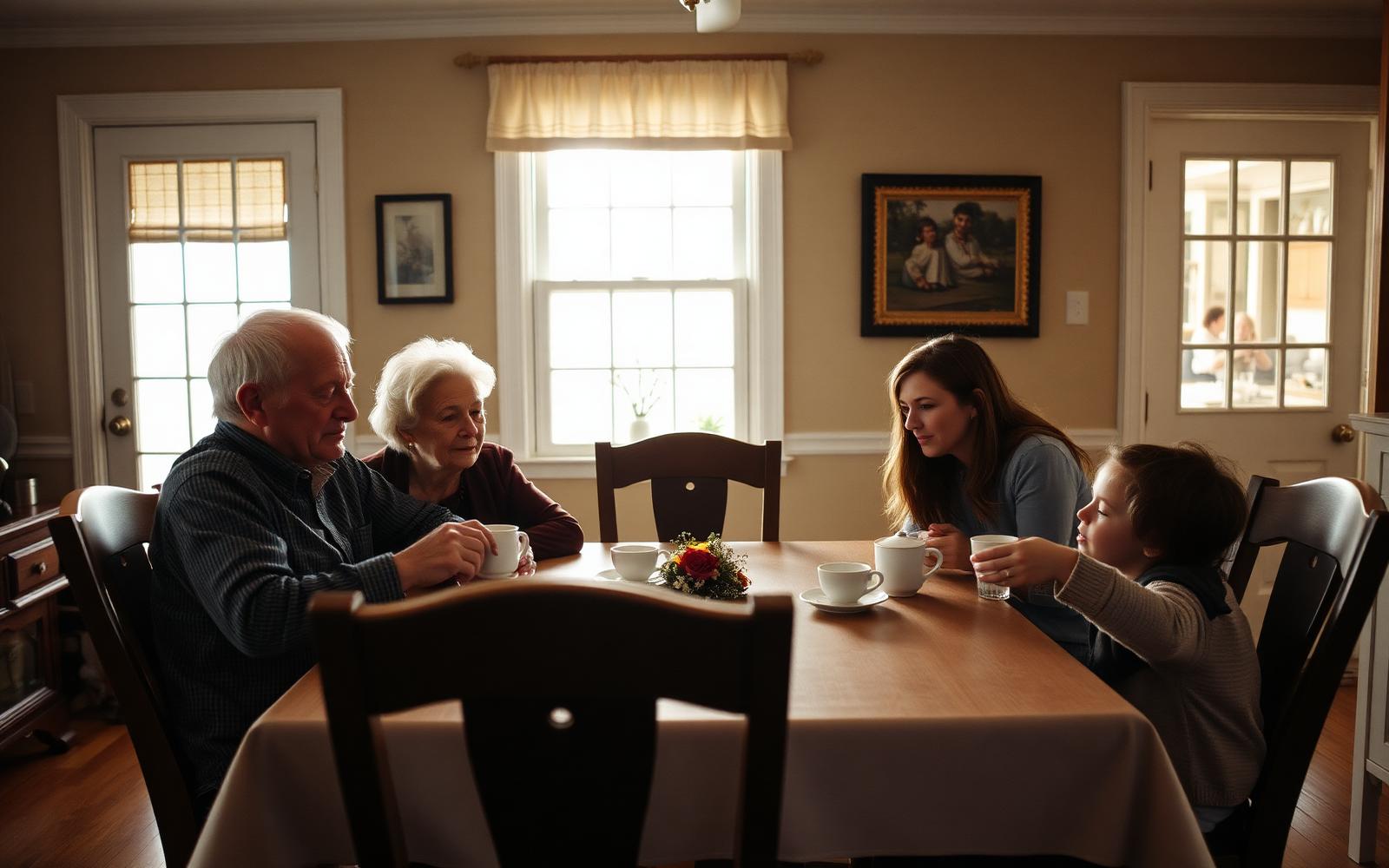
Long-Term Care Planning
Long-Term Care Planning for Families Protecting Assets in Manhasset
MAPTs, spousal protection, and decision-making authority set up before capacity fades so the plan holds under pressure.

Marchese & Maynard, LLP helps Manhasset families navigate Medicaid eligibility assessment, asset protection planning, and decision-making authority under New York's look-back rules. Our attorneys guide families through the intersection of estate planning, special needs trusts, and Article 81 guardianship to protect what you've built while ensuring access to care.
Our attorneys guide Nassau County families through asset protection strategies that preserve home equity and retirement savings while coordinating care transitions across North Shore facilities. Each area below links to the deeper page on how the work gets done.
MAPTs, spousal protection, and decision-making authority set up before capacity fades so the plan holds under pressure.

Sixty-month look-back analysis, spousal protection, and asset repositioning that clear Nassau County reviewers.

First-party d4A and third-party structures that preserve SSI and Medicaid while supplementing quality of life.

Article 81 petitions in Nassau County Supreme Court when a power of attorney or informal support is no longer enough.

Estate plans fail when powers of attorney are rejected by banks, beneficiary forms contradict trust instructions, or deeds remain unrecorded. The documents look complete until someone tries to use them.
Before committing to this, one thing is worth saying plainly: elder law is not estate planning with a different label. The work overlaps, but the focus shifts entirely, from distributing assets after death to preserving them during life while navigating eligibility rules that penalize families who plan too late or execute documents that no longer match current New York law.
The families who wait until a parent is hospitalized discover that half the planning tools require capacity to execute. The irrevocable trust that could have protected the Manhasset home five years ago cannot be funded now, and the lookback period in Nassau County applies retroactively to every transfer made without legal structure.

Care needs do not plateau. A parent who needs help with bills in January may need full nursing facility placement by June, and the legal tools that worked in the first scenario fail completely in the second. Advance healthcare directives and properly drafted powers of attorney create the authority to act when capacity declines, but only if they were executed before the crisis arrived.
If you have ever watched a parent's condition worsen faster than anyone expected, you already know what happens when the legal framework cannot keep pace. The health care proxy sits unsigned. The Medicaid trust was never funded. The family discovers that the plan they thought was complete covered only the scenario they hoped would never change.
The families who call after hospitalization discover that half the protective tools require capacity to execute, and the other half require years of advance planning to work.
Two partners. One standard of care. Every plan is drafted, reviewed, and signed under their direct guidance.

A trusted counselor to North Shore families for more than three decades, Paul guides clients through estate planning, trusts, and probate with the patience and precision that complex family wealth demands.
Read full bio
Robin brings decades of experience and a client-centered approach to elder law, Medicaid planning, and guardianship matters, advocating for families during the most consequential transitions of their lives.
Read full bioAttorneys structure fees differently depending on the work. Document preparation, such as powers of attorney or health care proxies, often runs on a flat basis. Medicaid planning that involves asset restructuring, deed revisions, or trust amendments typically bills hourly because the scope expands as the asset picture clarifies. Guardianship proceedings and contested capacity hearings add court time and expert coordination, which increases total engagement cost. Families in the Manhasset area sometimes assume elder law is priced like a simple will, but the work addresses moving financial and medical variables rather than static distribution instructions.
Families lose the most ground when they delay until a diagnosis forces action. A parent with moderate dementia cannot legally sign a power of attorney, health care proxy, or deed transfer. We see this in Manhasset constantly: adult children arrive after a stroke or fall, holding documents they printed from the internet, only to learn their parent can no longer execute them. At that point, guardianship becomes the only path forward, and it is expensive, public, and slow.
The second mistake sits in asset movement. Parents gift money to children or retitle the home without recognizing that these transfers trigger lookback scrutiny. A seemingly helpful gift made four years ago can disqualify someone from coverage when they need it most. Marchese & Maynard, LLP works backward from the care need to identify what was moved, when, and whether it creates exposure.
The third error is document age. Powers of attorney executed before recent statutory updates fail at financial institutions across New York, leaving families unable to access accounts or pay bills during a crisis. We audit existing documents for enforceability and update them before they are tested in an emergency.
Withholding financial history, prior transfers, or family conflict from your elder law attorney creates planning gaps that surface during Medicaid review or guardianship proceedings. Full disclosure allows us to structure compliant solutions rather than repair avoidable problems.
Hire an attorney when a parent is still competent, but health changes are visible. Waiting until after a stroke, dementia diagnosis, or hospital admission eliminates most planning tools. Attorneys cannot execute powers of attorney or restructure assets once capacity is lost. Families who wait often face guardianship proceedings that cost more and deliver less control than proactive planning would have. The right time is before the crisis, not during it.
The question assumes you are comparing the attorney fee to doing nothing, but that is not the actual trade. You are comparing the fee to the cost of missing a sixty-month lookback window, losing a home to estate recovery, or watching a parent's assets spend down in eighteen months instead of being structured to last years. Attorneys who focus on elder law work through Medicaid applications, deed corrections, guardianship alternatives, and advance directive execution daily. They catch the income shelter gaps and beneficiary misalignments that families miss because they do not know the questions to ask.
Worth is a function of timing and exposure. Families who engage counsel while a parent still has capacity and before transfers trigger penalties avoid the costliest failures. Families who wait until a nursing home admission is imminent pay more and have fewer options.
Marchese & Maynard, LLP serves families throughout Manhasset and surrounding Nassau County communities, providing elder law and long-term care planning directly at clients' homes. From Plandome to Great Neck, Port Washington to Roslyn, the team reaches North Shore families via Northern Boulevard, the Long Island Expressway, and Shelter Rock Road. Initial consultations typically occur within seven business days of first contact, with follow-up meetings scheduled around family availability and care transitions.
Service area coverage
Free Consultation
We meet families in Manhasset, at hospitals, at care facilities, or by video, whichever keeps the plan moving without adding stress.